
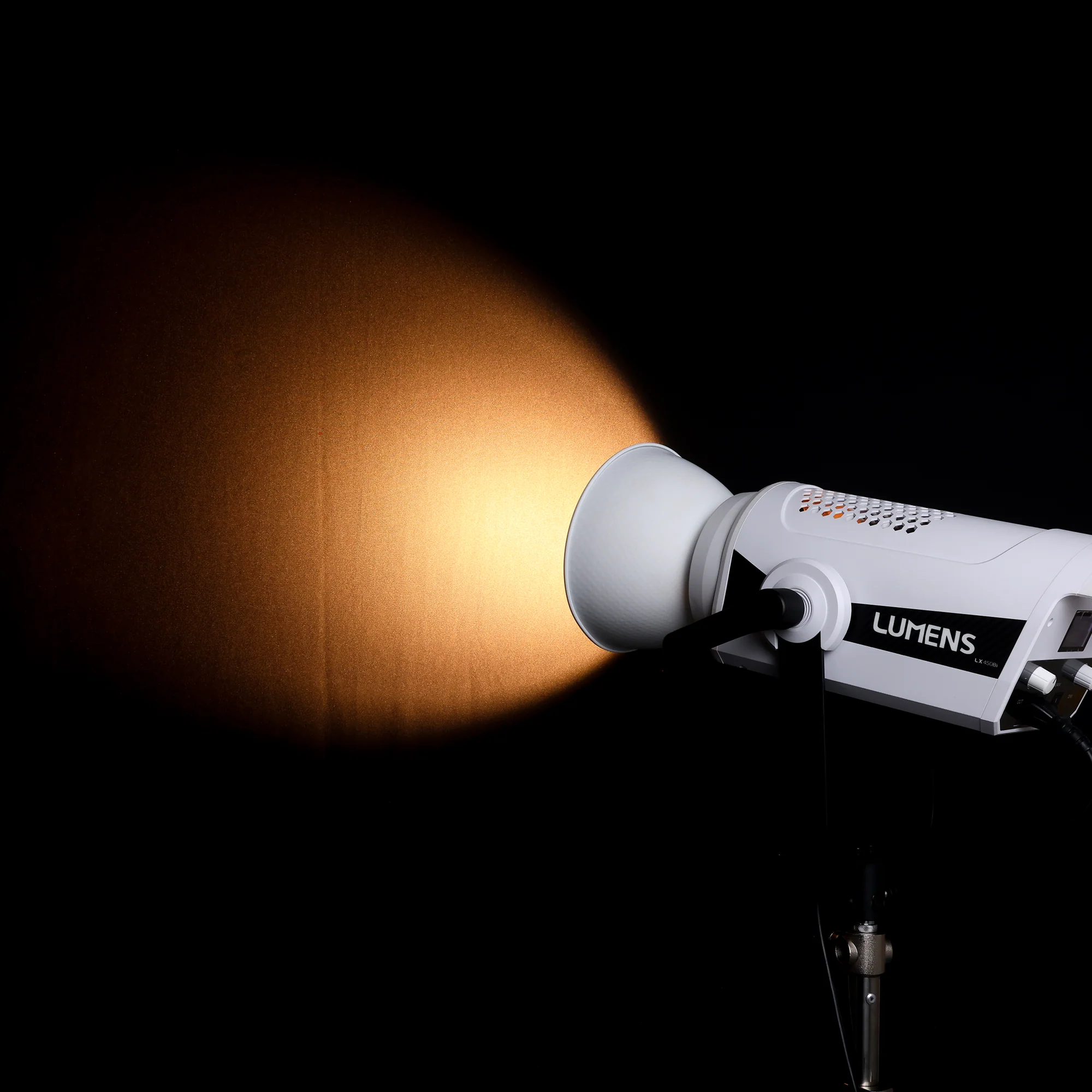
What is 0.6 450W lamp MIP
The term “0.6 450W lamp MIP” can seem confusing at first because it doesn’t look like a typical product name. Instead, it appears more like a technical code used in lighting or industrial systems to describe specific performance details.
In many cases, labels like this are used by manufacturers to represent key information such as power rating, efficiency, and fixture type. The 450W part usually points to the lamp’s power capacity, while 0.6 is often understood as an efficiency or performance factor. The MIP portion is likely a classification or mounting-related code used internally to define how the unit is designed or installed.
Although this exact combination is not a widely recognized standard in consumer lighting, it is generally interpreted as a high-power lighting setup intended for industrial or commercial use, where strong output and reliable performance are required.
Understanding codes like this is useful because they help determine how a lighting system performs in real conditions, how much energy it consumes, and whether it is suitable for specific environments such as warehouses, factories, or large outdoor areas.
Breaking Down the Concept
To understand “0.6 450W lamp MIP”, it helps to split it into smaller parts instead of looking at it as one confusing code.
The 0.6 portion is often interpreted as a performance or efficiency-related factor. In practical terms, it may influence how effectively the system converts electrical power into usable lighting output.
The 450W part is more straightforward. It refers to the lamp’s power rating, showing how much electricity the lamp consumes during operation. In general, higher wattage like this is used in systems that require strong illumination over large areas.
The MIP segment is likely a classification or internal identifier. It may describe the type of fixture, mounting style, or a product series used by a specific manufacturer.
When combined, these elements form a compact way of describing a lighting unit’s overall characteristics—covering efficiency, power usage, and system type in a single label.
Breaking it down this way makes it easier to understand that what looks like a complex code is actually just a structured way of communicating technical details clearly and efficiently.
Key Characteristics of a 0.6 450W Lamp MIP Setup
A 0.6 450W lamp MIP setup is generally understood as a high-power lighting configuration designed for demanding environments such as industrial sites, warehouses, and large commercial spaces. While the exact meaning can vary by manufacturer, its key characteristics can be broken down in a practical way.
One of the main features is its high power capacity. With a 450W rating, the system is built to deliver strong illumination, making it suitable for large areas where consistent brightness is required.
Another important characteristic is the efficiency factor (0.6). This value is often used to describe how effectively the system converts electrical energy into usable light output. In real-world terms, it helps determine overall performance rather than relying only on wattage.
The MIP designation is typically linked to the system’s fixture type or mounting/integration style. It helps define how the lamp is installed or what type of lighting assembly it belongs to within a product range.
These setups are also known for their industrial-grade application, meaning they are designed to handle continuous operation in environments where durability and reliability are important.
Finally, a key characteristic of such systems is their focus on performance planning and energy management. By combining wattage, efficiency factors, and classification codes, engineers can better design lighting layouts that balance brightness, cost, and energy use.
Overall, a 0.6 450W lamp MIP setup represents a structured way of defining a powerful lighting system built for heavy-duty, real-world applications.
How 0.6 450W lamp Compares with Other Lighting Options
When you look at a 0.6 450W lamp MIP setup next to other lighting configurations, the differences mainly come down to power level, efficiency, and intended use.
Lower Wattage Lighting Systems
Compared to smaller systems like 100W or 150W lamps, a 450W setup delivers much stronger illumination. However, it also consumes more energy, making it better suited for large industrial or outdoor spaces rather than small rooms or offices.
High-Efficiency LED Configurations
Modern LED systems with lower wattage can sometimes produce similar brightness levels as higher-wattage traditional lamps. In this case, the 0.6 efficiency factor becomes important because it reflects how much usable light is actually produced compared to energy consumed.
Alternative Industrial Setups
Other industrial lighting configurations may focus more on energy savings or smart controls. While those systems may use lower wattage, they often rely on advanced technology rather than raw power to achieve performance.
Key Difference in Overall Performance
The main distinction is balance. A 0.6 450W MIP setup prioritizes strong output and reliability, while other modern configurations may focus more on energy efficiency, smart control, or reduced operating costs.
When Each Type Is Preferred
High-wattage setups like this are still preferred in environments where maximum brightness and wide coverage are more important than minimizing energy use, such as factories, warehouses, and outdoor industrial zones.
Real-World Performance in Operational Environments
In real operational settings, a 0.6 450W lamp MIP setup is typically used in places where strong, consistent lighting is required over large areas. Its performance becomes more noticeable when installed in environments like warehouses, factories, loading zones, or outdoor industrial spaces.
One of its main strengths is high-intensity illumination. The 450W power rating allows it to cover wide areas effectively, reducing the number of fixtures needed compared to lower-wattage systems.
The 0.6 performance factor plays a role in how efficiently that power is translated into usable light. In practice, this means the system may not use the full theoretical output in an ideal way, but it still delivers stable and functional lighting for demanding conditions.
In continuous operation, these systems are valued for their reliability and durability. They are designed to handle long working hours, which is essential in industrial environments where lighting is required for extended shifts.
However, in real-world usage, energy consumption is also a key consideration. While the output is strong, higher wattage systems naturally require more power, so they are often balanced with proper layout design and spacing to avoid unnecessary energy waste.
Advantages of This Type of Lighting System
A lighting setup like the 0.6 450W lamp MIP configuration is mainly used in environments where strong, reliable illumination is essential. One of its biggest advantages is high light output, which makes it suitable for large spaces such as warehouses, factories, and outdoor work areas where visibility is critical.
Another key benefit is wide-area coverage. Because of its higher power rating, fewer fixtures may be needed to light a large space effectively, which can simplify installation and reduce the complexity of the lighting layout.
These systems are also valued for their stable performance in demanding conditions. They are typically designed for continuous operation, making them suitable for industrial environments where lights need to stay on for long hours without interruption.
In addition, the structured specifications (such as power rating and efficiency factor) help technicians with better planning and system design. This makes it easier to calculate load requirements, manage energy distribution, and ensure compatibility with other electrical components.
Finally, this type of lighting system supports practical reliability. Even in tough environments with heavy usage, it is designed to maintain consistent performance, which is essential for safety and productivity in industrial and commercial spaces.
Things to Consider Before Choosing
Before selecting a lighting setup like the 0.6 450W lamp MIP, it’s important to think beyond just the power rating. These systems are strong and reliable, but they are not always the right fit for every situation.
One of the first things to consider is the size and purpose of the space. High-wattage systems like this are best suited for large areas such as warehouses, factories, or outdoor zones. Using them in smaller spaces can lead to unnecessary energy use and excessive brightness.
Another important factor is energy consumption. A 450W system provides strong output, but it also uses more electricity. This means operating costs should be calculated carefully, especially if the lights will run for long hours.
You should also look at the efficiency factor (0.6), as it can affect how much usable light you actually get from the system. Understanding this helps avoid overestimating performance when planning a lighting layout.
The installation environment matters as well. Conditions like temperature, dust levels, and moisture can impact performance, so the fixture type (such as MIP classification) should match the site requirements.
Finally, it’s important to consider maintenance and long-term use. Choosing a system that is easy to service and compatible with available parts can save time and reduce future repair costs.
YOU MAY READ:
How to Win Fosgartop0.9.6.3 | Strategies, Tips & Beginner Guide
Why It Matters in Modern Lighting Systems
Even with the rise of smart LEDs and automated lighting solutions, configurations like 0.6 450W lamp MIP still play an important role in modern lighting design. They represent a structured way of defining performance, which helps engineers and technicians make clear, reliable decisions.
One key reason it matters is consistency in system design. Standardized specifications make it easier to match lighting equipment with the right environment, ensuring that installations perform as expected without trial and error.
It also plays a role in energy planning and efficiency management. Even in modern systems, understanding power ratings and efficiency factors helps designers calculate real-world consumption and avoid overloading electrical systems.
Another important aspect is compatibility with existing infrastructure. Many industrial and commercial facilities still rely on older or hybrid lighting setups. Clear technical codes help integrate new components without disrupting existing systems.
These specifications also support better maintenance and troubleshooting. When something goes wrong, technicians can quickly identify the type of system in use and respond more effectively, reducing downtime.
Final Words
The 0.6 450W lamp MIP may look like a complicated technical code, but it’s really just a structured way of describing a lighting system’s power, efficiency, and classification. Once broken down, it becomes easier to understand how such setups are designed for industrial and commercial use.
These kinds of specifications are still important today because they help professionals choose the right lighting, plan energy use, and ensure systems work safely and efficiently in real environments. While technology continues to evolve, clear technical labeling remains a key part of reliable lighting design.
FAQs
What does 0.6 450W lamp MIP mean?
It is a technical-style lighting code that likely represents power rating, efficiency factor, and fixture classification.
Is 450W a high power rating?
Yes, 450W is considered high and is usually used for large industrial or outdoor lighting applications.
What does the 0.6 value represent?
It is commonly interpreted as an efficiency or performance factor affecting usable light output.
What does MIP stand for?
MIP is likely an internal manufacturer or system classification related to fixture type or installation style.
Where is this type of lighting used?
It is commonly used in warehouses, factories, outdoor areas, and other large-scale lighting environments.
Is this code a universal standard?
No, it is not a universal standard. Different manufacturers may use similar formats with different meanings.
Why are such codes used in lighting systems?
They help simplify complex technical details into short labels that are easier for professionals to understand.
Does 450W mean brighter light?
Generally yes, higher wattage can mean stronger output, but actual brightness also depends on efficiency.
Can the 0.6 factor affect performance?
Yes, it can influence how effectively power is converted into usable lighting.
Are these systems energy efficient?
They are designed for strong output, but efficiency depends on the overall system design and usage.
Why is MIP important in this code?
It helps identify the type or category of fixture for proper installation and compatibility.
Who uses these specifications?
Engineers, electricians, lighting designers, and maintenance technicians commonly use them.
Can misunderstanding this code cause issues?
Yes, incorrect interpretation may lead to poor installation or inefficient lighting design.
Is this type of lighting still used today?
Yes, especially in industrial and commercial environments where high output is required.
What is the main benefit of understanding these codes?
It helps ensure correct system selection, better performance, and efficient energy use.
